

Our Environmental Mission.

Our Mission for Cleaner Beaches
We started this company because we realized the traditional wood bonfire wasn't as sustainable as it seemed. Early on, we used wood too, but the reality of it caught up with us quickly. After every event, my brother and I would go home with our lungs and eyes burning from the smoke, and we realized if it was affecting us that way, it was affecting our guests, our neighbors, and the environment, too.
To find a better way, we started asking the community for their perspective. We sat down with the Fire Captain and asked him what issues local people and businesses had with traditional bonfires. He was direct: the number one problem was the smoke, and the second was the pollution they left behind.
That conversation, and many others like it, is why we chose to run Blulite on propane. The benefits were obvious immediately. By eliminating the smoke entirely, our guests can utilize the full 360-degree space around the fire without the next day’s red eyes and cough. It’s also much safer; we can precisely control the heat, and there are no popping embers or logs to manage. It lets our clients simply sit back and enjoy the beauty of the fire, the beach, and the night.
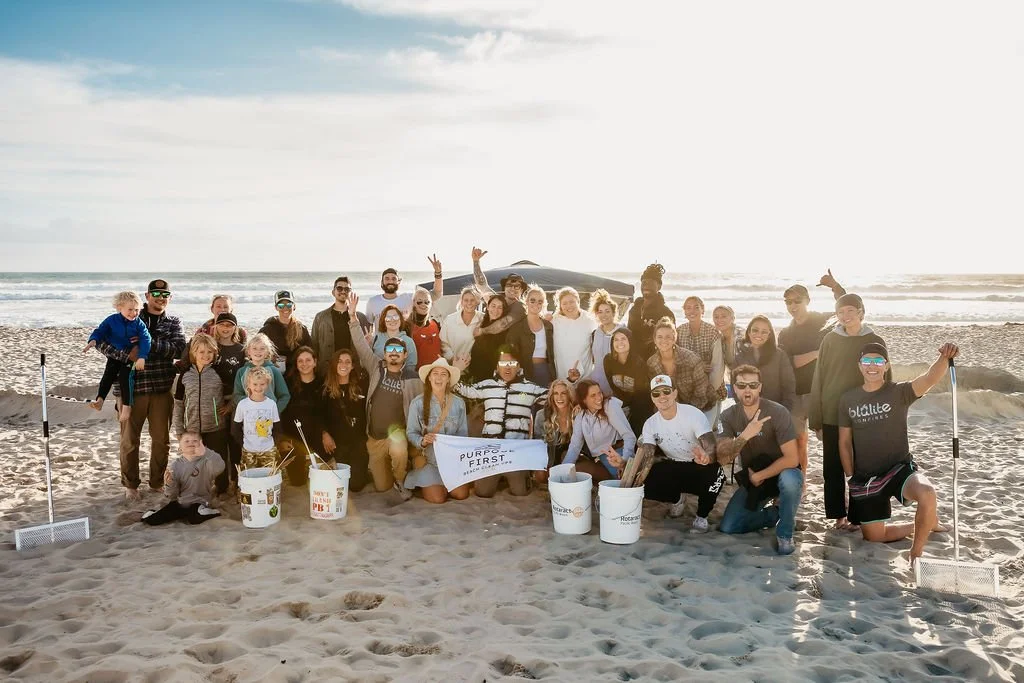
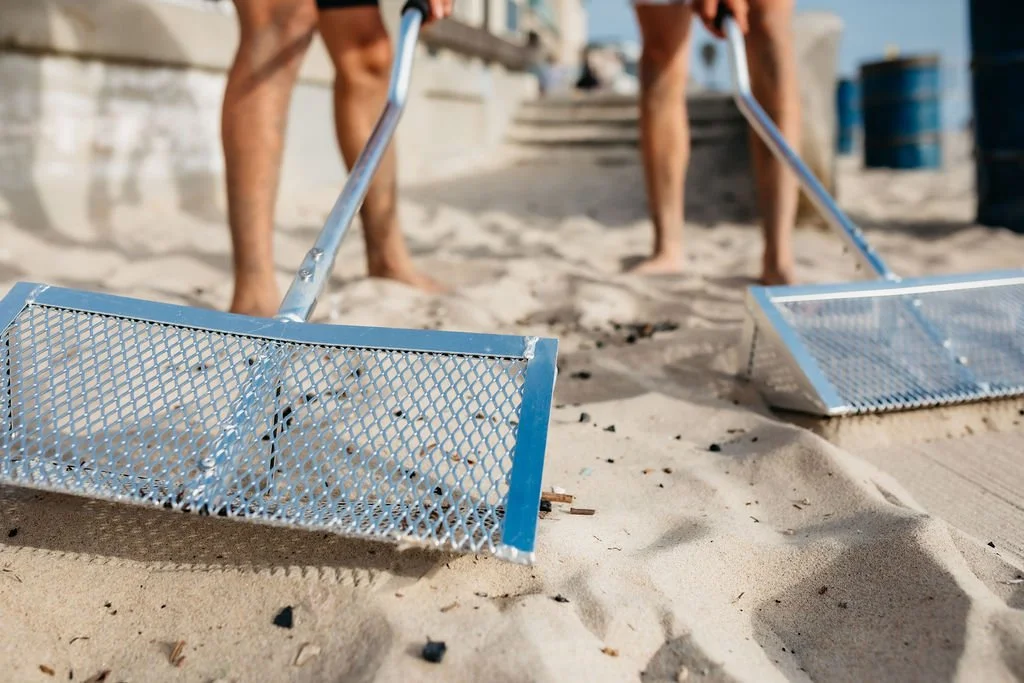
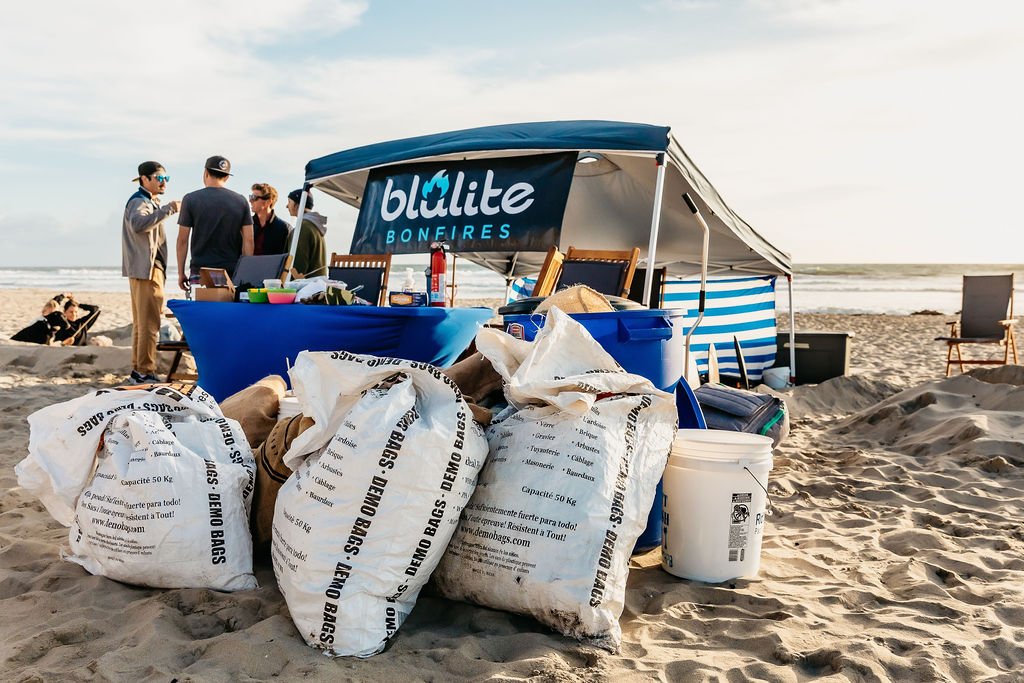
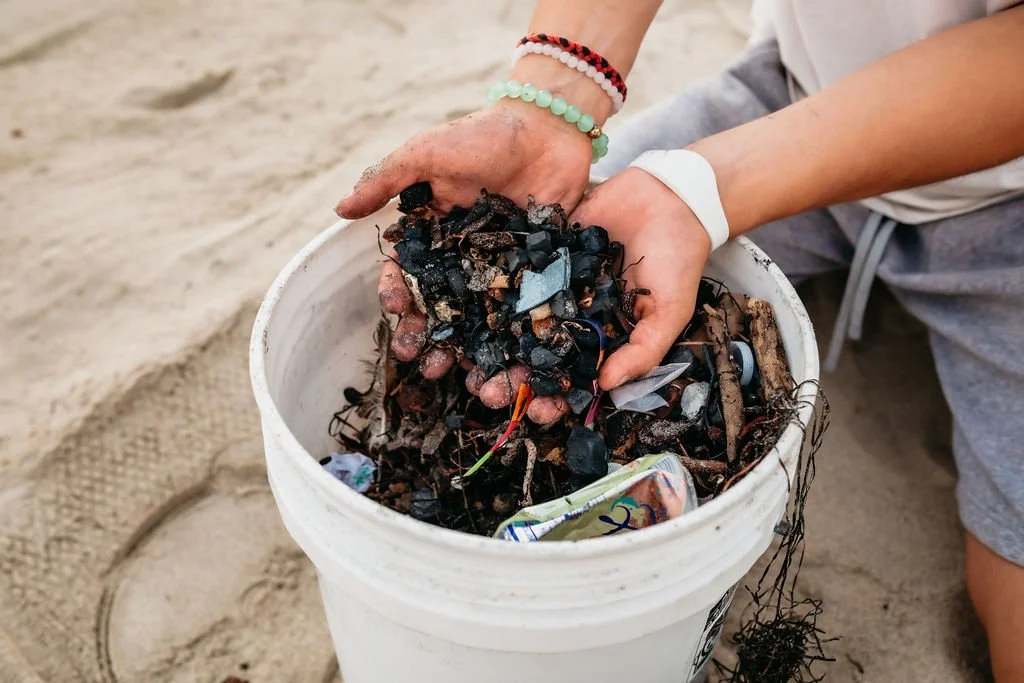
Our commitment to the beach goes beyond just the flame, though. Before every event, we use specialized tools to hand-sift the sand, manually clearing the area of dangerous glass, metal, and wood debris that often goes unnoticed. We don't just leave the site as we found it—we leave it cleaner. For us, a successful bonfire means the air is clear and the sand is safer for the next person who walks on it.
Recent San Diego Bonfire Bans
In recent years, the future of the beach bonfire has been uncertain. Faced with rising maintenance costs, debris marring our shores, and growing concerns over air quality, city and state leaders began considering a total ban on beach fires.
It was heartbreaking to think we might lose a piece of our coastal heritage—a tradition that has defined our lives and our community. But we also understood the concerns. Families living nearby were often inundated with smoke drifting into their homes, and they were rightly worried about what was actually being burned. Without oversight, it was impossible to know if a fire was fueled by safe wood or toxic, chemically treated scrap and pallets.
We couldn't stand by and watch the end of one of San Diego’s most iconic gathering experiences. So, we advocated for a sustainable path forward: clean-burning, smokeless propane. Our efforts helped shift the conversation from a total ban to new laws that now protect the right to have a fire, especially in San Diego’s new "smokeless zones," for anyone using propane for their fires. By providing a viable, clean alternative, we helped ease the burden on our beaches, which in turn helped officials keep traditional fire rings available for those who want to burn safe, untreated wood in designated spots.
Today, we’re proud that Blulite didn't just start a business; we helped evolve a piece of San Diego’s heritage, ensuring the fires keep burning for the next generation.
Wood Fires Are Worse Than You Think.
Traditional wood fires may be a deep part of beach culture, but in a time of environmental change and threats to our local ecosystems, we’ve learned that the cost is higher than most realize.
We changed to a 100% propane-powered model for a few simple reasons:
Air Pollution: Clearing the Smoke
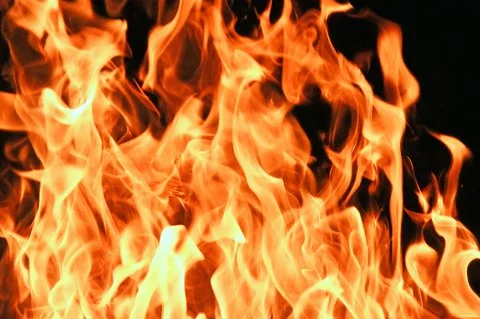
Wood smoke releases high levels of "Particulate Matter" (PM2.5)—microscopic particles small enough to enter the bloodstream. In our coastal neighborhoods, this smoke doesn't just drift away; it lingers in the air and settles into nearby homes. For local families, a night of "beach weather" shouldn't mean breathing in wood soot. Propane combustion is virtually smokeless, producing 40% less greenhouse gas than wood, so the only thing you’re breathing is the sea air.
Toxic Runoff: From Sand to Sea
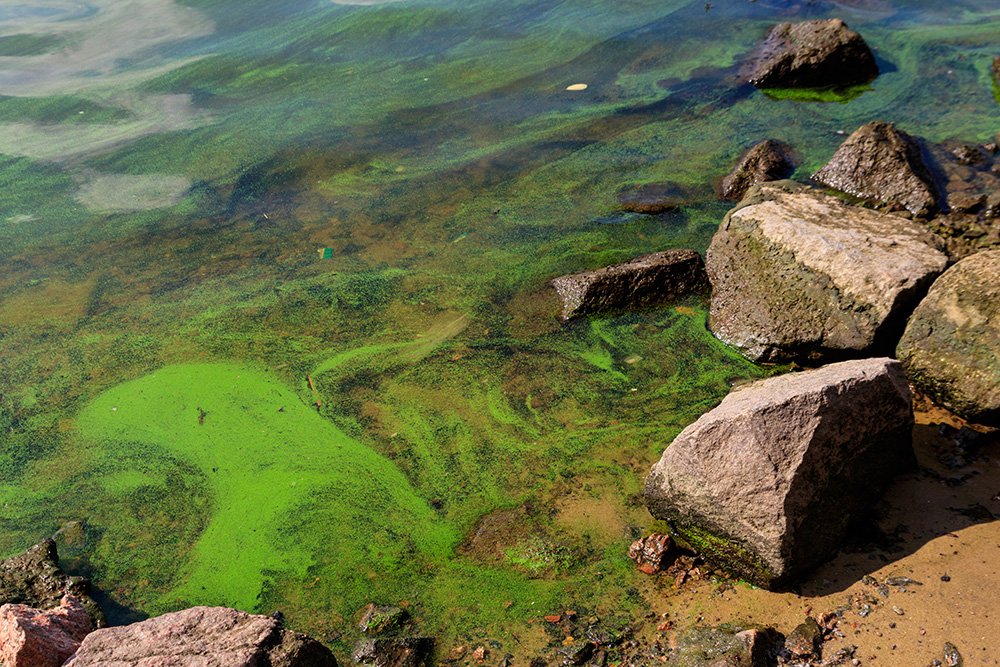
The impact doesn't stop at the high-tide line. When the tide comes in or rain falls, it washes these leached chemicals and ash directly into the ocean. This runoff can be toxic to sensitive tide-pool plants and shallow-water marine life, introducing pollutants into the very water we swim in.
Carbon Buildup: Suffocating the Shore
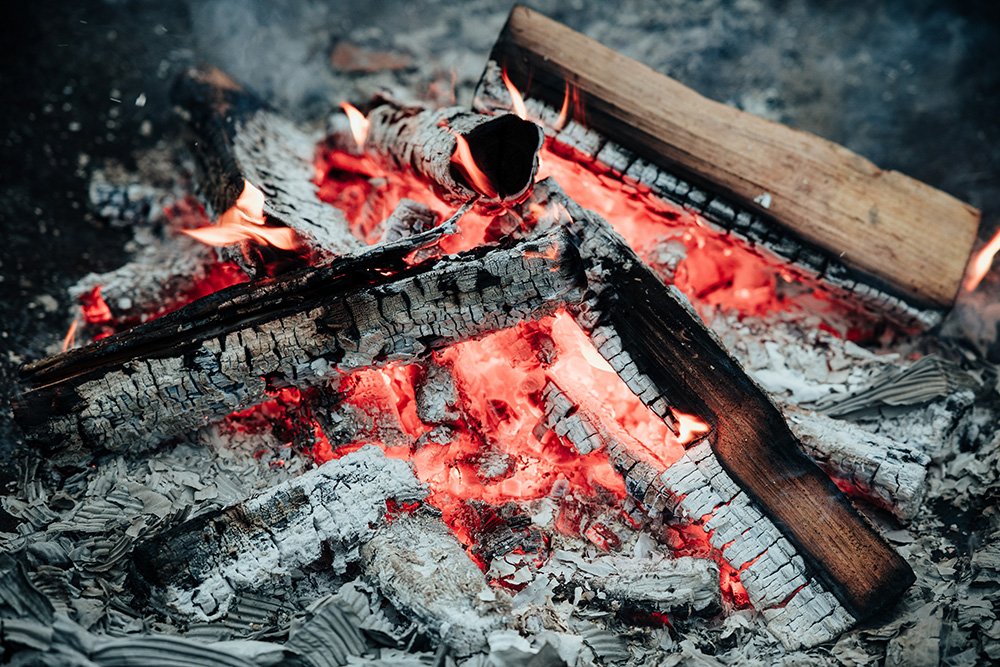
Charcoal is elemental carbon that does not decompose. Over time, frequent wood fires create a "black layer" beneath the surface that traps heat and prevents seawater from naturally filtering through the sand. This effectively "suffocates" the beach’s natural cleaning process. Additionally, every wood fire releases sequestered carbon back into the atmosphere, contributing in a small but measurable way to global warming.
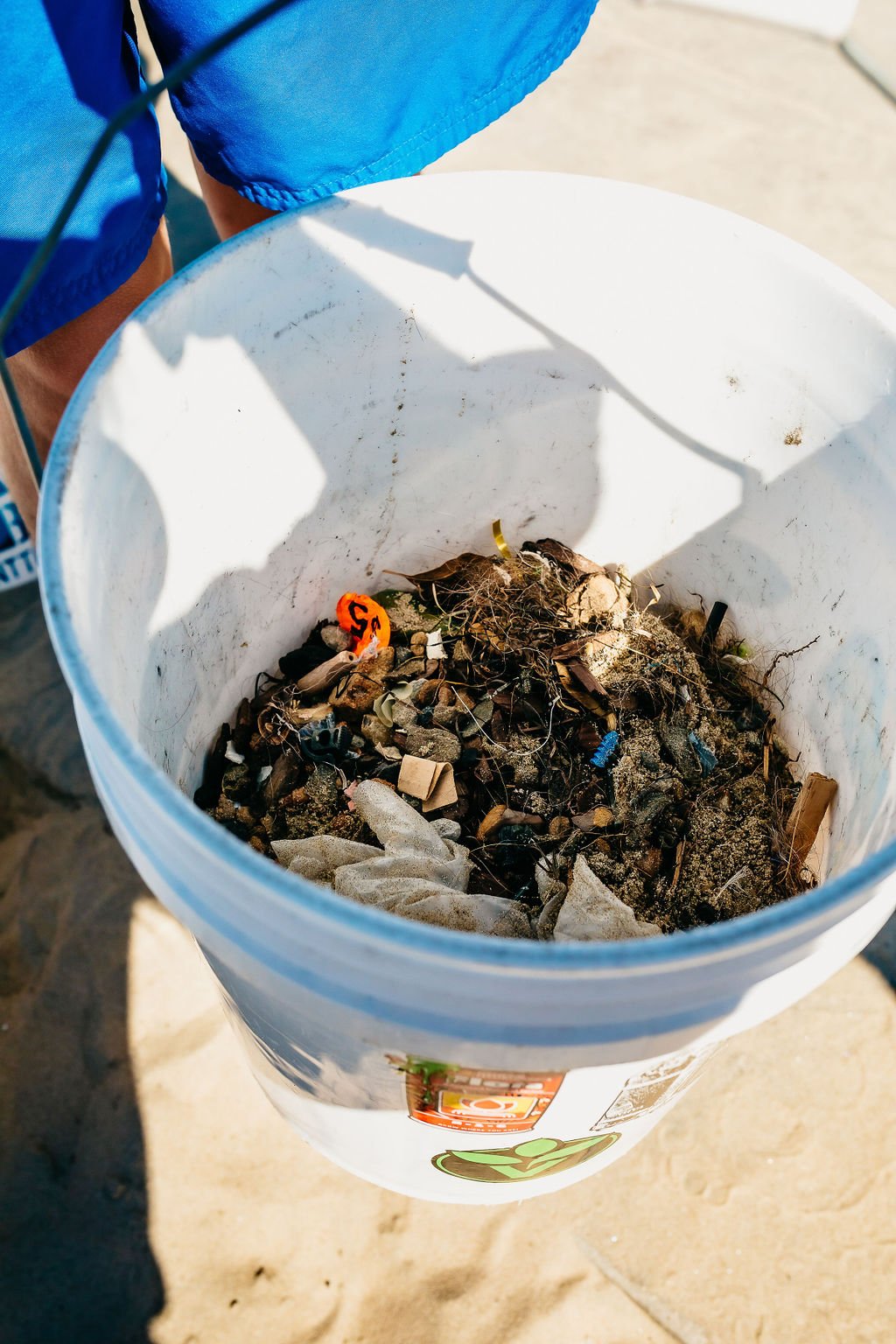
The Pallet Problem: Hidden Sharp Objects & Toxins
To save money, many people burn industrial wood pallets held together by hundreds of nails and screws. Once the wood is gone, those sharp, rusted metal fragments stay buried in the sand as a permanent hazard. Worse, these pallets are often treated with chemical preservatives that release toxic, aerosolized chemicals when burned, affecting everyone from the families around the fire to the wildlife in the dunes.
Charcoal Leaching: The Invisible Impact
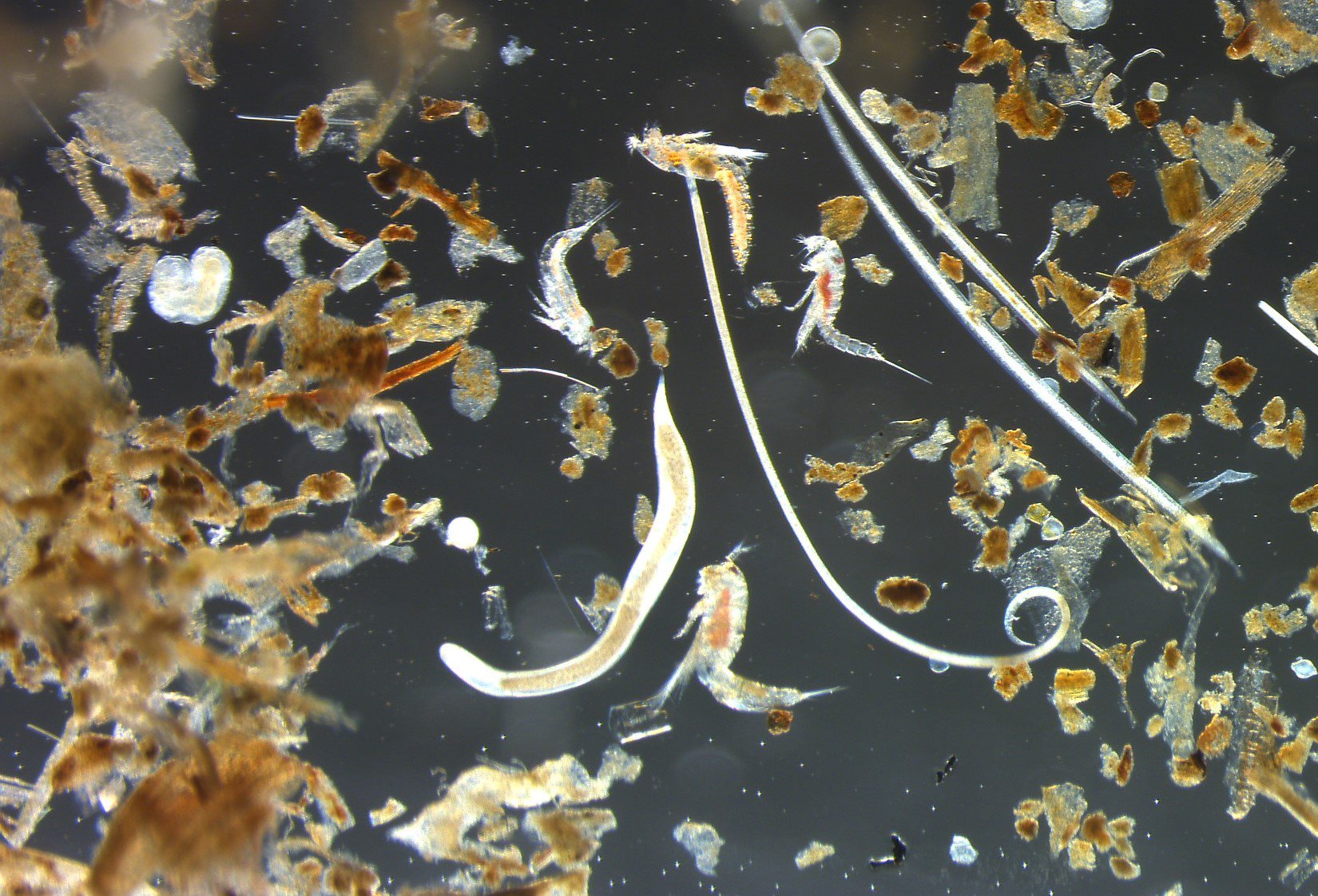
When wood burns, it leaves behind ash and charcoal that doesn't just disappear—it gets buried. This residue is highly alkaline and spikes the pH levels of the sand, creating "dead zones." This disrupts the meiofauna—the microscopic organisms living between sand grains—as well as larger creatures like sand crabs and beach hoppers. When these populations drop, the birds and marine life that depend on them lose their primary food source, unbalancing the entire shoreline.
Image of Meiofauna, courtesy of Jeroen Ingels, FSUCML.
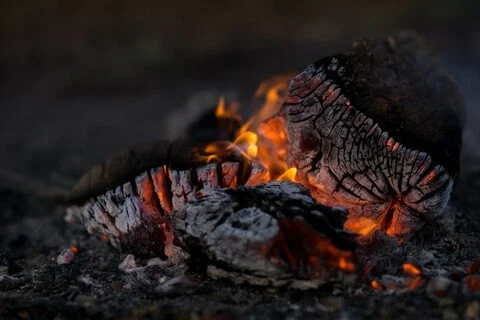
Hidden Embers: The "Zombie" Risk
Wood fires create a bed of coals that can reach 1,000°F. When these are covered with sand to "extinguish" them, the sand acts as a high-performance insulator, creating a "zombie ember." These hidden booby traps stay at skin-searing temperatures for over 24 hours, posing a massive burn risk to children, pets, and morning walkers. With propane, once the valve is turned off, the heat is gone instantly.
Dangerous Trash: The Blulite Sift
Because propane leaves zero residue, our cleanup can do more. Instead of cleaning up our own mess, we focus our pre- and post-event sifting on removing external pollutants like glass, plastics, and debris left by others. We don't just leave the site as we found it; we ensure the beach is truly better than when we arrived.
Blulite’s Clean-up Initiatives in the Media



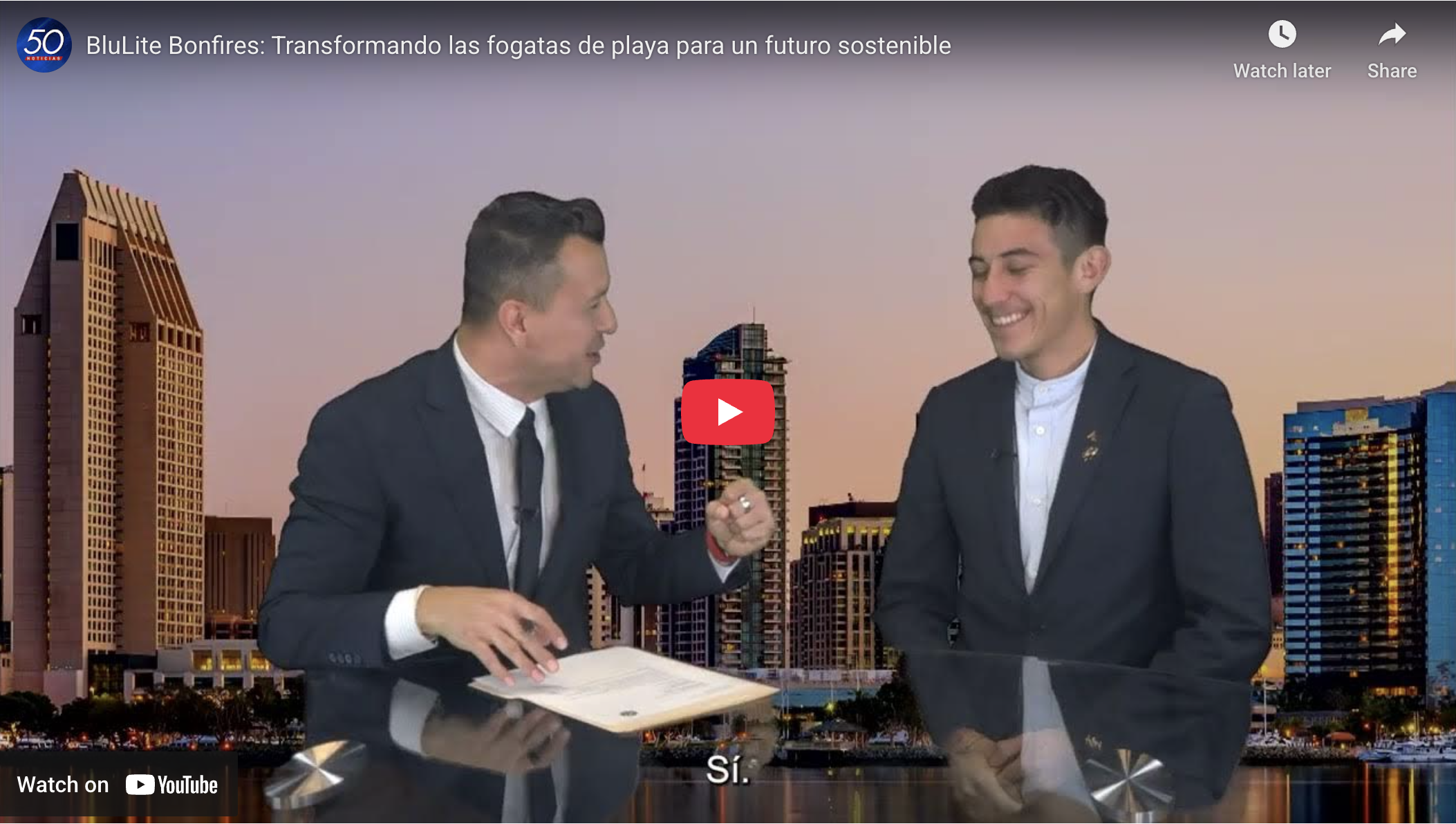
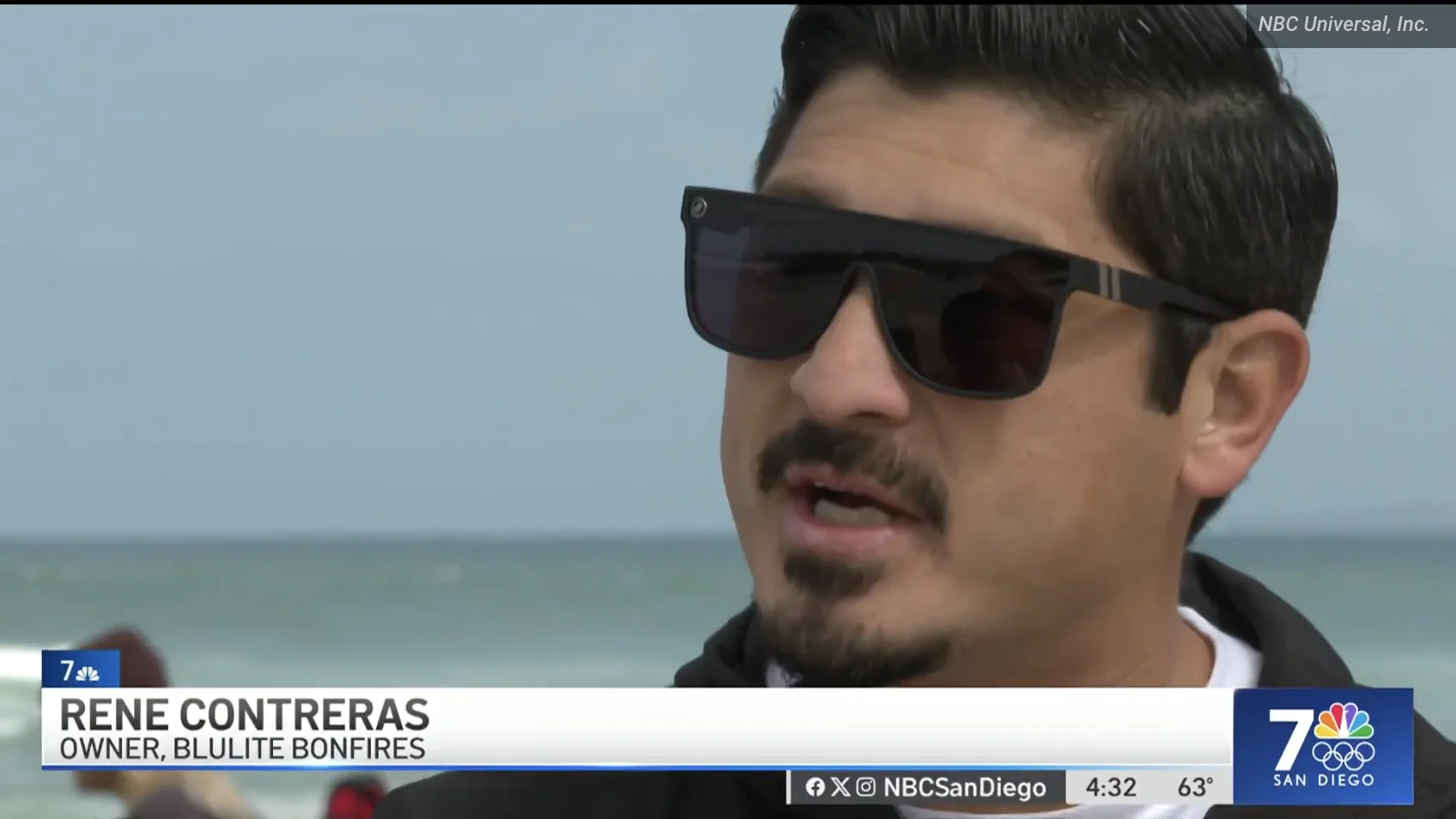

Our Beach Cleanups
Lorem ipsum dolor sit amet, consectetuer adipiscing elit, sed diam nonummy nibh euismod tincidunt ut laoreet dolore magna aliquam erat volutpat. Ut wisi enim ad minim veniam, quis nostrud exerci tation ullamcorper suscipit lobortis nisl ut aliquip ex ea commodo consequat. Duis autem vel eum iriure dolor in hendrerit in vulputate velit esse molestie consequat, vel illum dolore eu feugiat nulla facilisis at vero eros et accumsan et iusto odio dignissim qui blandit praesent luptatum zzril delenit augue duis dolore te feugait nulla facilisi.
Lorem ipsum dolor sit amet, cons ectetuer adipiscing elit, sed diam nonummy nibh euismod tincidunt ut laoreet dolore magna aliquam erat volutpat. Ut wisi enim ad minim veniam, quis nostrud exerci tation ullamcorper suscipit lobortis nisl ut aliquip ex ea commodo consequat.
Join Us for These Upcoming Beach Cleanups
1st Saturday Every Month
How to Volunteer
Lorem ipsum dolor sit amet, consectetuer adipiscing elit, sed diam nonummy nibh euismod tincidunt ut laoreet dolore magna aliquam erat volutpat. Ut wisi enim ad minim veniam, quis nostrud exerci tation ullamcorper suscipit lobortis nisl ut aliquip ex ea commodo consequat.
Sponsor A Cleanup!
Lorem ipsum dolor sit amet, cons ectetuer adipiscing elit, sed diam nonummy nibh euismod tincidunt ut laoreet dolore magna aliquam erat volutpat. Ut wisi enim ad minim veniam, quis nostrud exerci tation ullamcorper suscipit lobortis nisl ut aliquip ex ea commodo consequat.


Our Cleanup Partners
Lorem ipsum dolor sit amet, consectetuer adipiscing elit, sed diam nonummy nibh euismod tincidunt ut laoreet dolore magna aliquam erat volutpat. Ut wisi enim ad minim veniam, quis nostrud exerci tation ullamcorper suscipit lobortis nisl ut aliquip ex ea commodo consequat. Duis autem vel eum iriure dolor in hendrerit in vulputate velit esse molestie consequat, vel illum dolore eu feugiat nulla facilisis at vero eros et accumsan et iusto odio dignissim qui blandit praesent luptatum zzril delenit augue duis dolore te feugait nulla facilisi.
Lorem ipsum dolor sit amet, cons ectetuer adipiscing elit, sed diam nonummy nibh euismod tincidunt ut laoreet dolore magna aliquam erat volutpat. Ut wisi enim ad minim veniam, quis nostrud exerci tation ullamcorper suscipit lobortis nisl ut aliquip ex ea commodo consequat.
Lorem Ipsum!
Lorem ipsum dolor sit amet, cons ectetuer adipiscing elit, sed diam nonummy nibh euismod tincidunt ut laoreet dolore magna aliquam erat volutpat. Ut wisi enim ad minim veniam, quis nostrud exerci tation ullamcorper suscipit lobortis nisl ut aliquip ex ea commodo consequat.
A Deeper Look at
The Science of Beach Pollution
-
While a bonfire feels like a natural part of the beach, the chemistry of wood smoke is a complex mixture of gases and fine particles that pose documented risks to human health. The most dangerous of these is PM2.5.
1. What is PM2.5?
Particulate Matter 2.5 (PM2.5) refers to microscopic particles or droplets in the air that are 2.5 micrometers or smaller in diameter—about 30 times smaller than a human hair. Because they are so small, these particles bypass the body’s natural filters in the nose and throat. They travel deep into the lungs and cross directly into the bloodstream, where they can be carried to every organ, including the heart and brain.
2. The Neurological Link: Alzheimer’s and Cognitive Health
Recent studies (2024–2025) have solidified the link between PM2.5 exposure and neurodegenerative diseases. Research indicates that these particles can enter the brain via the olfactory nerve or by disrupting the blood-brain barrier.
Neuroinflammation: PM2.5 triggers an immune response in the brain, causing chronic oxidative stress and neuroinflammation, which are key drivers of Alzheimer's and Parkinson's.
Amyloid-Beta Deposition: Autopsy studies have found that higher PM2.5 exposure correlates with increased levels of amyloid-beta plaques, a hallmark of Alzheimer’s Disease.
Dementia Risk: 2024 research presented at the Alzheimer’s Association International Conference suggests that wood smoke (similar to wildfire smoke) may increase dementia risk more significantly than other forms of air pollution.
3. Putting Pollution in Perspective
The density of pollution from a single fire is often underestimated. According to the South Coast Air Quality Management District (SCAQMD), the particulate emission rate from one beach fire ring is equivalent to the secondhand smoke of 800 cigarettes per minute.
Furthermore, burning a standard bundle of firewood for 3 hours can emit as much PM2.5 as a heavy-duty diesel truck driving over 550 miles. While industrial sources are often blamed for poor air quality, a cluster of wood bonfires can create a "micro-climate" of pollution that rivals major industrial areas.
4. Ground-Level Ozone and Secondary Pollution
Wood smoke contains Nitrogen Oxides (NOx) and Volatile Organic Compounds (VOCs). When these react in the presence of sunlight and heat—common conditions on Southern California beaches—they form Ground-Level Ozone. This is a powerful respiratory irritant that can trigger asthma attacks and reduce lung function, particularly in children and the elderly.
5. The Propane Solution
Propane is a clean-burning fuel that produces 43% fewer greenhouse gas emissions than wood and virtually zero PM2.5. By switching to a propane model, Blulite Bonfires removes these health burdens from our coastal air entirely.
Sources:
California Air Resources Board (CARB) - PM and Health
U.S. EPA - Particulate Matter (PM) Basics
Alzheimer's Research UK - New research links air pollution and dementia (2025)
Neurology - PM2.5 Exposure and Alzheimer Disease Pathology (2024)
Alzheimer's Association - Wildfire Smoke and Dementia Risk (2024)
SCAQMD - Air Quality and Emissions Control Reports
ResearchGate - PM from Diesel Trucks vs. Cigarette Emissions (2026 update)
ACS ES&T Air - Formation of Ozone and PM2.5 in Smoke (2025)
American Lung Association - State of the Air Report (2024)
Propane Education & Research Council (PERC) - Environmental Benefits
-
The beach is far more than a pile of rocks; it is a living, breathing filter. Every day, the tides push seawater through the sand, which acts as a natural purification system. Traditional wood fires leave behind two lasting residues—ash and charcoal—that disrupt this vital process and the diverse life forms that depend on it.
1. Chemical Alteration: The pH Spike
Wood ash is highly alkaline, containing significant amounts of calcium carbonate and potassium. When left in the sand, it acts as a powerful "liming agent."
The pH Shift: Natural beach sand typically maintains a stable pH. However, wood ash can spike local sand pH to levels as high as 10 or 12 (similar to household ammonia).
The Microscopic Foundation: This chemical shift is devastating for meiofauna—microscopic organisms like tardigrades and nematodes that live in the thin films of water between sand grains. These tiny creatures are the primary cleaners of the sand, and their loss is the first step in a collapsing ecosystem.
2. The Macrofauna Connection: A Food Chain in Peril
The impact on microscopic life has a direct "bottom-up" effect on the larger, more familiar sand dwellers (macrofauna) that we see along the shoreline.
Sensitive Species: Creatures like sand crabs (Emerita analoga), beach hoppers (amphipods), and isopods (rolly pollies) rely on a healthy, pH-balanced environment to survive. When the sand becomes chemically altered, these populations dwindle.
The Ripple Effect: Sand crabs and beach hoppers are the primary food source for shorebirds like plovers and sandpipers, as well as various surf fishes. When the "sand bugs" disappear due to ash leaching, the entire local food web is left without its foundation.
3. Carbon Buildup: Suffocating the Shoreline
Unlike wood, which eventually rots, charcoal is a form of elemental carbon that is virtually indestructible in a beach environment.
The "Black Layer": In areas with frequent wood fires, a dark layer of charcoal and soot builds up beneath the surface. This layer acts as a physical barrier, trapping heat and preventing the natural movement of oxygen and seawater through the sand—effectively "suffocating" the habitat for both meiofauna and macrofauna.
Atmospheric Impact: Every wood fire releases carbon that was previously sequestered (stored) in the tree’s fibers. This contributes to the net increase of CO2 in our atmosphere, unlike propane, which has a significantly lower carbon intensity.
4. Toxic Runoff: From Sand to Sea
The sand isn't a closed system. When the tide rises or it rains, the water "washes" the buried ash and charcoal.
Marine Toxicity: This runoff carries concentrated potassium and heavy metals (like cadmium and nickel found in wood ash) into the nearshore water.
Algal Blooms: High concentrations of phosphorus from ash can trigger localized "micro-blooms" of algae, which deplete oxygen in tide pools and harm sensitive marine plants like eelgrass.
5. The Blulite Difference: Zero Residue
Because propane combustion produces only water vapor and a small amount of CO2, there is zero solid waste left behind. Our specialized hand-sifting process isn't used to clean up after ourselves; it's used to remove the "legacy pollution"—like glass and nails—left by others. We leave the sand’s pH balanced and the habitat safe for everything from the tiniest tardigrade to the nesting plover.
Sources:
Frontiers in Microbiology - Wood Ash Induced pH Changes
NOAA Ocean Exploration - What are Marine Meiofauna?
UCSB Explore Beaches - Sand Dwellers and Their Habitat
LiMPETS - The Importance of Sand Crabs to the Beach Ecosystem
University of New Hampshire - Guide to Wood Ash and Soil Carbon
Propane Education & Research Council - Carbon Intensity Comparisons
Minnesota Sea Grant - Are Wood Fires Harmful to Lakes and Oceans?
-
To many, a piece of wood is just fuel. But on a public beach, the "scrap wood" often used for bonfires—pallets, construction debris, and old fencing—is frequently a delivery system for industrial toxins. When these materials meet high heat, they release a suite of chemicals that were never intended to be inhaled or left in the sand.
1. The Pallet Problem: Heavy Metals and Preservatives
Industrial pallets are often treated to prevent rot and pest infestation during international shipping. While some are heat-treated (marked "HT"), many older or international pallets were treated with Methyl Bromide, a potent pesticide and ozone-depleting substance.
The Combustion Risk: Burning treated wood aerosolizes heavy metals like Chromium, Copper, and Arsenic (found in CCA-treated wood). When inhaled, these metals can cause immediate respiratory irritation and long-term neurological damage.
The Lingering Ash: These metals do not "burn up." They concentrate in the ash. Long after the fire is out, the arsenic and copper remain in the sand, where they can be absorbed through the skin of children playing or leached into the tide.These toxic chemicals enter the food chain through uptake by plants and microorganisms, which are eaten by larger creatures, where they stay stored in their tissues. As larger predators eat thousands of smaller, contaminated prey, those toxins "biomagnify," reaching dangerous concentrations at the top of the food chain, before being caught and landing on your plate.
2. Adhesives and Synthetics: The VOC Threat
Construction scraps like plywood, particle board, or "engineered" wood are held together by formaldehydes and industrial glues.
Aerosolized Toxins: Burning these adhesives releases Volatile Organic Compounds (VOCs) and Formaldehyde, a known human carcinogen. In the confined "micro-climate" of a beach bonfire, these concentrations can spike well above safe breathing limits for the families sitting around the fire.
Dioxin Formation: When wood containing paints, stains, or plastics is burned at the relatively low temperatures of a campfire, it can produce dioxins—highly toxic compounds that persist in the environment and accumulate in the food chain.
3. Pyroaerobiology: Living Hazards in the Smoke
Recent breakthroughs in pyroaerobiology have revealed that smoke is a primary vector for living microorganisms. Contrary to the belief that fire "sterilizes" everything, research shows that convection from fires can launch viable fungal spores and bacteria into the air.
Pathogenic Spores: Studies have identified over 100 unique fungal taxa in smoke samples, including known human pathogens like Aspergillus. These spores can survive the heat of a fire and be inhaled deep into the lungs.
Increased Risk: For individuals with asthma, COPD, or weakened immune systems, inhaling these smoke-borne microbes can lead to serious lung infections, including Coccidioidomycosis (Valley Fever) and severe inflammation.
4. Rotten Wood and "Wet" Smoke
Burning "natural" rotten wood found in backyards or near the shore introduces its own set of problems. Rotten wood has a high moisture content and low density, leading to incomplete combustion.
The "Dirty" Burn: This results in significantly higher levels of Carbon Monoxide and thick, "wet" smoke that stays low to the ground. This smoke lingers in the "breathing zone" of guests and nearby residents rather than dispersing.
Biological Irritants: The high concentration of mold and fungal components in decaying wood increases the allergen load of the smoke, often triggering "wood-smoker's lung" (hypersensitivity pneumonitis) in sensitive individuals.
5. Physical Hazards: The Nail and Staple Legacy
Beyond the invisible chemistry is the physical danger left in the ash. A single shipping pallet is held together by roughly 75 to 100 industrial nails or staples.
The Sifting Challenge: When the wood burns away, these metal fasteners—often rusted or sharpened by the heat—remain buried in the sand.
Tetanus and Injury Risk: Traditional "cleanup" usually involves removing the unburned logs, but it leaves the metal behind. This creates a permanent hazard for barefoot beachgoers and local wildlife. At Blulite, our hand-sifting process is specifically designed to catch these industrial "fingerprints" that wood fires leave behind.
6. The Blulite Standard: 100% Clean Energy
By using propane, we bypass the "chemistry of the unknown." We don't have to worry about what was sprayed on a pallet or what mold is growing in a log. Propane provides a consistent, high-temperature, clean-burning flame that leaves the air pure and the sand free of toxic ash and rusted metal.
Sources:
U.S. EPA - Chemicals Found in Pressure-Treated Wood
Journal of Hazardous Materials - Heavy Metal Emissions from Treated Wood Combustion (2025)
U.S. Environmental Protection Agency (EPA). "Toxics in the Food Web."
World Health Organization (WHO) - Dioxins and Their Effects on Human Health
American Lung Association - Toxic Air Pollutants
Eos/Science News - Fungal Spores in Wildfire Smoke (2025)
Journal of Science - Wildfire Smoke and the Living Component of Air Pollution
Canadian Lung Association - Residential Wood Burning Risks
California State Parks - Beach Safety and Fire Ring Regulations